
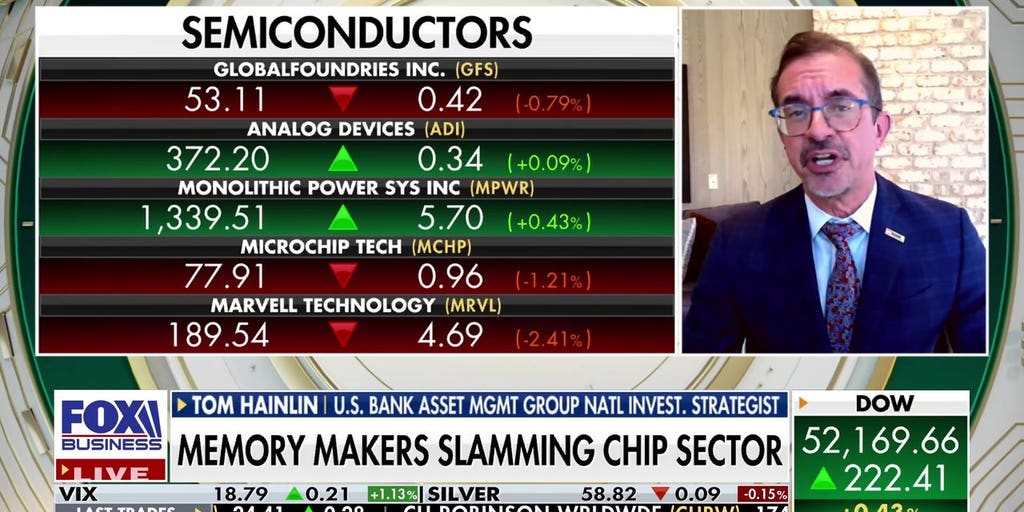
Technology and artificial intelligence are no longer confined to Silicon Valley or a handful of mega-cap stocks. Instead, these innovations are spreading throughout the wider economy in ways that could reshape how investors think about growth opportunities for years to come, according to one prominent investment strategist who spoke about the shifting landscape this week.
The idea of diffusion suggests that companies across virtually every sector, from healthcare and manufacturing to retail and logistics, are finding practical ways to integrate AI tools and advanced computing into their daily operations. That process could unlock productivity gains and profit margins that have little to do with the traditional tech trade, the strategist noted. Rather than betting exclusively on the companies building the next generation of chips or language models, investors may want to pay closer attention to the firms quietly using those tools to transform their businesses.
What makes this moment different from previous tech booms is the speed at which adoption is happening. Cloud infrastructure has already laid the groundwork, and now AI capabilities are being layered on top in ways that were simply not possible even two or three years ago. Small and mid-sized companies that once lacked the resources to compete on technology suddenly have access to powerful tools through subscription-based services and APIs.
Of course, there are risks attached to any shift this broad. Valuations in some corners of the market have already stretched well beyond historical norms, and not every company claiming an AI strategy will deliver meaningful results. The strategist cautioned that investors should look for tangible evidence of efficiency gains or revenue growth rather than chasing buzzwords. Still, the underlying theme appears durable enough that it may define investment conversations well beyond the current cycle.